

Industrial products often operate under conditions where standard coatings cannot provide the required protection or appearance. Components may face constant exposure to chemicals, outdoor environments, friction, temperature changes, or strict appearance standards.
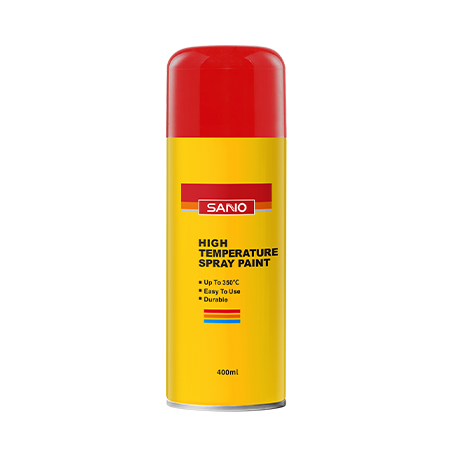
A coating that works well for one application may fail in another because different surfaces and operating conditions create different performance demands. This is why many businesses look for customized coating solutions instead of relying on general-purpose products.
SANVO studies application requirements, material characteristics, and performance expectations when developing specialized spray coating solutions. For companies seeking a reliable custom spray paint solution, this systematic approach explains why tailored coatings outperform standard alternatives.
Why Standard Spray Paints May Not Meet Industrial Needs
Many industrial buyers initially consider standard spray products because they are easy to purchase and widely available. However, these products are usually designed for general applications rather than specific production environments.
Industrial components often require more than basic color coverage. A coating may need to resist corrosion on metal parts, maintain flexibility on moving components, or remain stable under outdoor exposure.
The challenge is that every application creates different stress conditions. A coating used on factory equipment may require durability against oils and chemicals, while a coating for consumer products may prioritize appearance and smooth finishing.
A customized approach allows manufacturers to focus on solving the actual performance challenges instead of adjusting industrial processes around a limited coating option.
Matching Coating Properties With Application Environments
The effectiveness of a coating depends heavily on how well its properties match the environment where it will be used.
For example, outdoor equipment requires protection against sunlight, moisture, and temperature fluctuations. A decorative component may require excellent color accuracy and surface appearance. Industrial tools may need stronger resistance against wear and handling.
During development, manufacturers analyze the relationship between coating characteristics and real operating conditions.
Important considerations may include:
Surface type and preparation requirements
Environmental exposure
Mechanical stress
Chemical contact risks
Desired appearance standards
This approach helps align the coating formulation with the intended application rather than relying on a standard product that may not meet all performance requirements. Testing under relevant application conditions is still necessary to verify suitability.
Developing Functional Coatings Through Formula Adjustment
A custom coating is created by adjusting different components to achieve specific performance goals. The formulation process involves balancing resins, pigments, solvents, and additives to create the desired characteristics.
Resins influence adhesion, hardness, and flexibility, while additives can improve properties such as durability, drying behavior, or resistance to environmental factors.
However, improving one property may affect another. Adjusting one formulation property may affect others. For example, a formulation designed to achieve higher hardness may require additional evaluation of flexibility and adhesion. Similarly, changing the solvent blend to accelerate drying can affect flow, leveling, and film formation. These trade-offs depend on the coating chemistry and application conditions.
Professional formulation development requires understanding these interactions. The goal is to create a balanced coating system that performs reliably in the intended environment.
The Importance of Surface Compatibility in Industrial Applications
One of the most overlooked factors in coating performance is the relationship between paint and the surface being coated.
Different materials create different adhesion challenges. Metals, plastics, wood, and composite materials each have unique surface characteristics that influence coating bonding.
A formula designed for one substrate may not deliver the same results on another material. Poor compatibility can lead to peeling, uneven coverage, or reduced service life.
For specialized projects, manufacturers often consider surface properties during development to ensure that the coating forms a stable connection with the target material.
This is especially important for industries where coated parts must maintain appearance and protection over extended periods.
Moving From Prototype Development to Commercial Production
Creating a successful coating sample is only the beginning of customization. Industrial customers also need confidence that the formula can be produced consistently at commercial scale.
A coating must maintain the same characteristics during repeated manufacturing cycles. Changes in production conditions, raw materials, or processing control may affect the final product if not carefully managed.
For businesses ordering large quantities, repeatability is essential because inconsistent coatings can create problems during assembly, packaging, or customer delivery.
A professional custom spray paint development process considers both technical performance and manufacturing practicality, ensuring that the final product can support real market demand.
How Customized Spray Paint Supports Different Industrial Goals
The value of customized coatings extends beyond solving technical problems. They can help businesses improve product appearance, simplify maintenance, and create stronger product differentiation.
Manufacturers may require specific colors to match branding or product identification systems. Others may need coatings that provide additional protection for components operating in demanding environments.
Customization gives companies more control over the final coating performance instead of accepting the limitations of standard products.
This flexibility is particularly useful in industries where product requirements change according to equipment design, customer expectations, or regional operating conditions.
Evaluating Whether a Custom Coating Approach Is Suitable
Not every project requires a completely customized formula. The decision depends on the performance gap between available products and actual application requirements.
Businesses should consider customization when they experience issues such as:
Insufficient durability
Poor surface adhesion
Unsuitable drying performance
Inconsistent appearance
Limited environmental resistance
A clear understanding of these challenges helps manufacturers develop more targeted solutions and avoids unnecessary modifications.
The most effective coating development process begins with identifying the specific problem that needs to be solved.
Conclusion
Developing specialized industrial coatings requires more than changing colors or adjusting product features. It involves understanding application conditions, material behavior, and long-term performance expectations.
Forward-thinking companies are moving beyond one-size-fits-all coatings, partnering with experienced custom spray paint manufacturers to co-develop solutions that match real shop-floor realities and quality standards.
SANVO leads this approach, using its formulation capabilities to create customized spray coating systems for diverse industrial needs—while maintaining consistency and reliability.
By combining technical analysis with practical application knowledge, manufacturers can create coatings that improve reliability, protect valuable components, and deliver consistent performance in challenging environments.
